The Scent of Wild Thyme: Luberon’s Bastides and Table Traditions
Tracing the quiet rhythms of family-run olive mills, limestone hamlets, and timeless culinary craftsmanship across Provence.
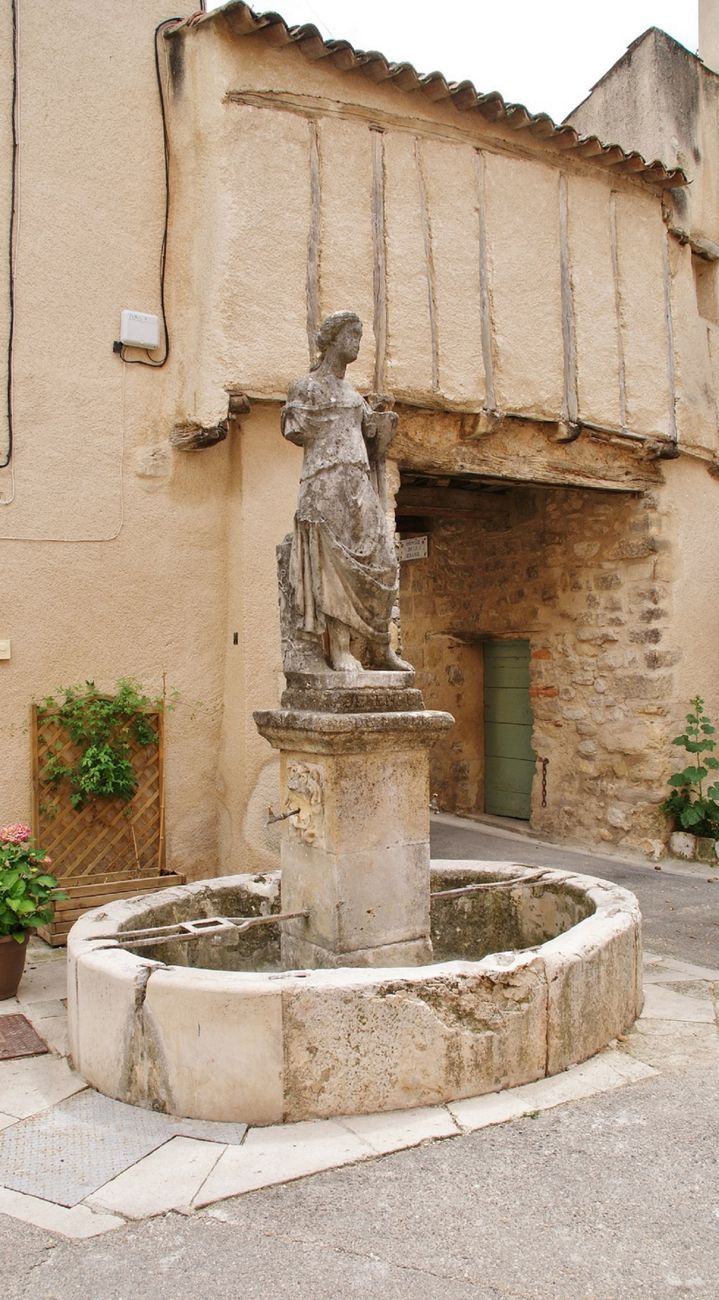
Between the ochre cliffs of Roussillon and the high cedar crests of Bonnieux lies a France that refuses to accelerate. In early morning, before the summer sun warms the golden stone walls, markets across village squares fill with the scents of wild savory, warm goat curd wrapped in chestnut leaves, and sun-warmed apricots.
The Living Heritage of the Stone Bastide
The vernacular stone farmhouse—the bastide—was built to deflect the fierce Mistral winds while keeping interior kitchens cool during long dry summers. Restored today by conservationists, these dwellings preserve vaulted plaster ceilings, ancient flagstones, and shaded pergolas entwined with wisteria.
“Good cooking in Provence is not about theatrical complication; it is an honest dialogue between freshly pressed olive oil, rosemary from the yard, and ripe vine tomatoes.”
We spent afternoons with third-generation vintners tending dry-farmed Syrah vines without synthetic chemical treatments, observing how living soils translate into wines of profound mineral clarity.
Preserving Provençal Authenticity
Far beyond the crowded postcard vantage points, the true soul of Provence thrives in these small, family-tended landscapes where hospitality remains an everyday virtue and dinner stretches beneath olive boughs until starlight fills the valley.