The Rhythm of Cedar: Three Weeks in Higashiyama’s Secluded Ryokans
In the quiet foothills of eastern Kyoto, wooden architecture and seasonal light teach travelers the fine art of unhurried perception.
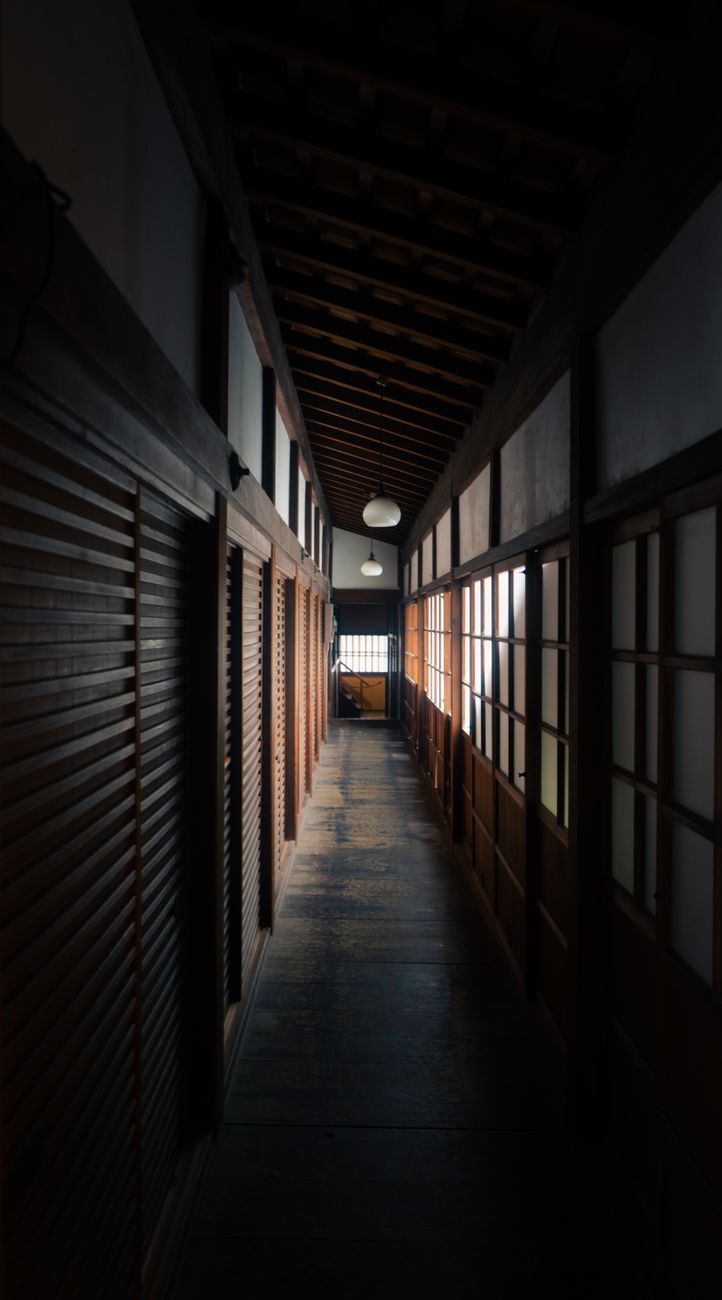
Dawn arrives in Higashiyama not with alarms, but with the distant resonant hum of bronze bells drifting down from Kiyomizu-dera. Across tatami mats framed in pale Yoshino cedar, morning sunlight paints geometric diagonals of soft light. There are no paintings hung on the plaster walls; the framed view of an ancient maple tree swaying gently in the rain is considered sufficient ornamentation.
The Architectural Grammar of Quietude
In traditional Japanese hospitality, luxury is not measured by gilded excess or ornate upholstery. It is felt through the tactile density of rush mats beneath bare feet, the scent of hinoki timber heated by thermal bath waters, and the deliberate choreography with which a sliding shoji screen glides closed.
“To inhabit a ryokan is to surrender to the seasons. You do not shield yourself from the weather; you observe its delicate calligraphy across the gravel courtyard.”
During our three-week residency at a four-room machiya dating back to late Meiji, meals were orchestrated with reverence for micro-seasons. The proprietor arrived at twilight bearing lacquered bowls: simmered bamboo shoots harvested that morning, pickled mountain plum, and char grilled over white binchotan coals. Each plate reflected the landscape surrounding our sanctuary.
Lessons for the Discerning Nomad
To travel in such spaces demands a conscious deceleration. We learned to abandon rigid itineraries, spending afternoons simply listening to rain dripping from the cedar eaves. It is an invitation to rediscover that the greatest luxury in contemporary travel remains uninterrupted stillness.